Mastering High-End Family Travel: Architecture, Operations, and Selection Dynamics
The modern luxury hospitality landscape is undergoing a structural shift driven by multi-generational travel requirements. Historically, ultra-luxury properties prioritized friction-free seclusion, quietude, and couples-oriented spatial designs. Conversely, mid-tier family resorts focused on high-density recreational amenities, often sacrificing culinary rigor, acoustic privacy, and personalized service. Today, the convergence of private wealth, remote flexibility, and multi-generational holidaying has necessitated a sophisticated Hybrid Hospitality Model.
Evaluating the best luxury resorts for families requires moving beyond simple lists of amenities or generic star ratings. True luxury for a family requires managing complex, competing needs across age cohorts—balancing the developmental needs of young children, the autonomy desired by teenagers, and the restoration required by parents and grandparents.
A resort cannot simply append a children’s club to a traditional footprint and claim family mastery. Elite properties engineer multi-bedroom residence footprints, build advanced operational workflows for dedicated butler teams, implement strict acoustic zoning, and hire specialized, accredited childcare staff.
This analysis provides a comprehensive framework for evaluating, selecting, and navigating high-end family properties globally. By examining spatial planning, cost dynamics, risk management, and operational mechanics, this guide serves as a definitive resource for families, travel advisers, and hospitality developers.
Table of Contents
Understanding “Best Luxury Resorts for Families”
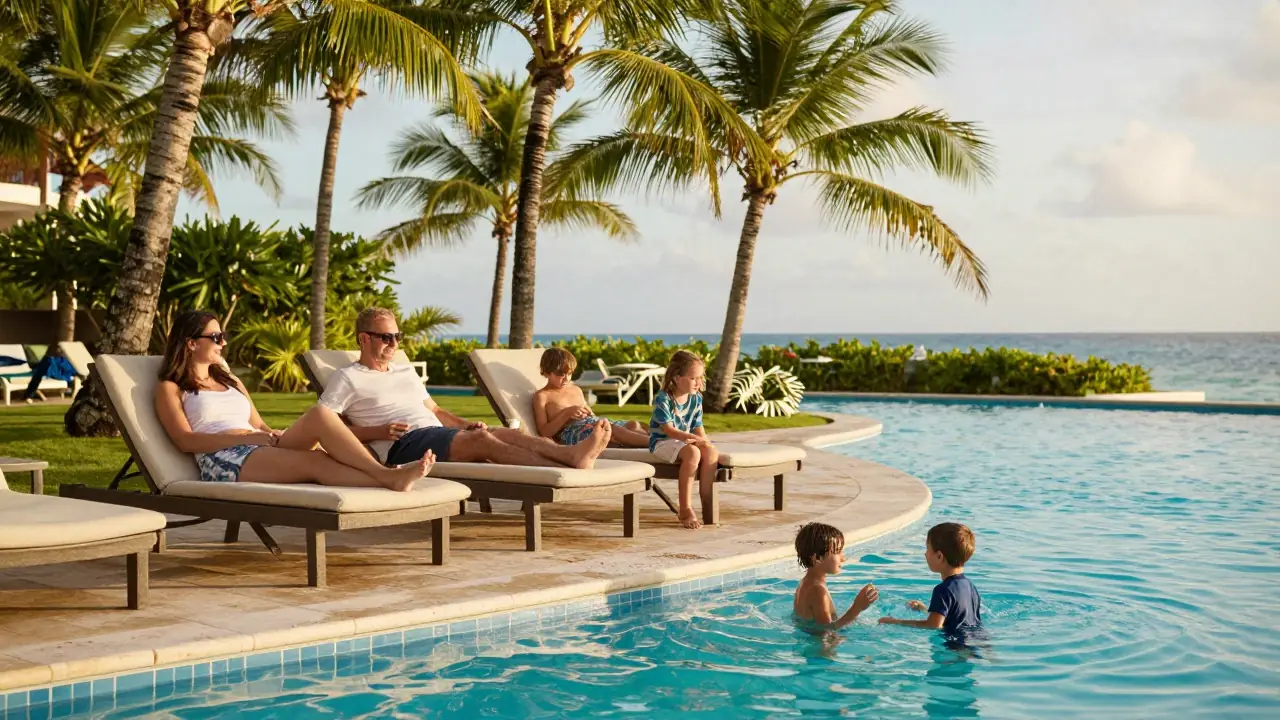
Evaluating the best luxury resorts for families requires looking closely at how physical spaces and daily operations work together. At the top tier of hospitality, luxury is not defined by gold leafing, imported marble, or lavish welcomes. Instead, it is defined by the absence of operational friction, the conservation of guest time, and the seamless accommodation of complex family logistics.
       [ Spatial Isolation ]  <--->  [ Sightline Mechanics ]
                 ^                             ^
                 |                             |
  +---------------------------------------------------+
  |   Operational Matrix of Family Luxury Hospitality |
  +---------------------------------------------------+
                 |                             |
                 v                             v
       [ Programmatic Rigor ] <--->  [ Service Symmetry ]
The Four Pillars of Family Luxury Architecture
-
Spatial Isolation: Preventing noise, movement, and light from disrupting different generations within the same residential footprint.
-
Sightline Mechanics: Designing communal and pool areas so parents can supervise children visually without physical strain or spatial confinement.
-
Programmatic Rigor: Moving beyond basic babysitting to deliver experiential, locally anchored learning led by certified educators.
-
Service Symmetry: Delivering simultaneous, flawless service to every family member, ensuring children’s meals do not delay adult dining schedules.
A common failure in family hospitality is the oversimplification of “family-friendly.” Lower-tier properties often equate family programming with high-density amusements—such as water slides, arcade rooms, and buffet halls. While these facilities entertain children, they often create high-sensory, noisy environments that degrade the experience for adults.
Conversely, legacy luxury properties frequently fall into the trap of superficial adaptation. They offer children’s menus dominated by processed foods, place rollaway beds into standard suites, and relegate childcare to converted basement rooms.
The premier properties evaluated in this guide treat family hospitality as an integrated engineering challenge. They build multi-room private compounds with separate staff entrances, acoustic insulation, private pool fencing, and dedicated culinary facilities.
Deep Contextual Background: The Evolution of Family Luxury
The luxury hospitality sector was historically constructed around adult privacy. In the late 19th and early 20th centuries, European grand hotels catered to wealthy individuals and couples seeking restorative retreats. Children were typically left under the care of domestic staff in primary residences or confined to private suites.
+-------------------------------------------------------------------------------+
| HISTORICAL EVOLUTION OF FAMILY LUXURY HOSPITALITY                             |
+-------------------------------------------------------------------------------+
| Era 1: Pre-1970s | Adult Seclusion Model                                      |
|                  | • Children excluded or confined to private quarters.        |
|                  | • Focus on formal, quiet adult social environments.          |
+-------------------------------------------------------------------------------+
| Era 2: 1980s-90s | The Bifurcated Market                                      |
|                  | • High-density family resorts vs. adults-only luxury.      |
|                  | • Emergence of primitive, basic resort "Kids' Clubs."      |
+-------------------------------------------------------------------------------+
| Era 3: 2000s-10s | Surface Adaptation Phase                                   |
|                  | • Luxury brands added rollaway beds & basic kids' menus.    |
|                  | • High operational friction due to poor spatial layout.     |
+-------------------------------------------------------------------------------+
| Era 4: Modern    | Integrated Multi-Generational Architecture                 |
|                  | • Multi-bedroom private villas with dedicated staff.      |
|                  | • Educational programming, acoustic zoning, tailored menus.  |
+-------------------------------------------------------------------------------+
The post-WWII expansion of air travel created a bifurcated resort landscape: family-focused mass tourism properties on one side, and exclusive, adults-only sanctuaries on the other.
By the late 1990s and early 2000s, shifting global demographics and modern parenting approaches altered this dynamic. High-net-worth parents wanted to travel with their children without compromising on luxury, culinary quality, or spa facilities.
Initial attempts by major luxury brands were often uninspired, adding basic babysitting or temporary craft tables. However, pioneering brands—such as Four Seasons, Rosewood, Soneva, and Singita—recognized that hosting families required redesigning both physical properties and service operations.
Today, multi-generational wealth transfers and flexible remote schedules have made multi-generational family groups a primary growth driver in ultra-luxury travel. Modern luxury family resorts are custom-engineered environments designed to support distinct daily routines for guests ranging from infants to grandparents.
Conceptual Frameworks and Mental Models
To systematically evaluate a property’s capability, travel planners and family offices can use four analytical frameworks:
+-------------------------------------------------------------------------------+
| FRAMEWORK MATRIX FOR PROPERTY EVALUATION                                      |
+-------------------------------------------------------------------------------+
| Framework             | Core Focus                 | Primary Analytical Metric|
+-----------------------+----------------------------+--------------------------+
| 1. Generational Radius| Spatial autonomy by age    | Distance-to-Amenity Ratio |
| 2. Friction Vector    | Operational micro-strains  | Service Latency Index    |
| 3. Dual-Track Value   | Equal adult & child value  | Content Depth Rating     |
| 4. Thermal & Acoustic | Environmental comfort      | Decibel Seclusion Rating |
+-------------------------------------------------------------------------------+
Framework 1: The Generational Radius Model
This model measures spatial autonomy across age cohorts. A property excels when each age group can move independently within a secure boundary:
-
Toddlers (Ages 0–4): Require a micro-radius (villa, adjacent lawn, shallow splash areas) with zero physical hazards.
-
Young Children (Ages 5–11): Require a contained macro-radius (kids’ club, private beach cove) that offers independent exploration under subtle supervision.
-
Adolescents (Ages 12–17): Require a wide, autonomous radius (teen lounges, water sports centers) with real independence and social space.
-
Adults/Seniors: Require quiet zones (adult-only pools, spa sanctuaries, fine-dining venues) insulated from activity areas.
Limitation: Requires large physical acreage, making it difficult for urban luxury hotels or compact boutique resorts to implement.
Framework 2: The Friction Vector Analysis
This framework maps every point of interaction during a family’s stay to identify potential frustration points:
-
Transit Friction: Arrival logistics, internal transport (golf carts, shuttles), and walkability.
-
Dining Friction: Meal wait times, flexibility of kitchen hours, food customization, and table pacing.
-
Scheduling Friction: Rigidity of kids’ club booking windows, spa reservations, and excursion schedules.
Limitation: Highly dependent on daily staffing levels and seasonal occupancy.
Framework 3: The Dual-Track Value Matrix
A resort must deliver equal, uncompromised value to both adults and children simultaneously, avoiding a scenario where one group’s enjoyment requires a compromise by the other:
If a resort scores 9.5/10 for children due to water parks, but 4/10 for adults due to noise and crowded dining, the property fails the Dual-Track test.
Limitation: Subjective and dependent on individual family preferences.
Framework 4: The Thermal and Acoustic Isolation Model
This model evaluates physical construction standards to ensure different family members do not disrupt one another:
-
Acoustic Isolation: Heavy door cores, insulated interior walls between bedrooms, and sound-buffered plumbing.
-
Thermal Control: Multi-zone HVAC systems that allow nursery rooms to stay warm while master suites remain cool.
Limitation: Hard to assess without detailed floor plans or physical site inspections.
Key Categories and Asset Variations
When searching for the best luxury resorts for families, travelers will find that different property types offer distinct operational advantages and trade-offs.
+-----------------------------------------------------------------------------------+
| PROPERTY TYPES: OPERATIONAL TRADE-OFF COMPARISON                                  |
+-----------------------------------------------------------------------------------+
| Category               | Strengths                        | Vulnerabilities      |
+------------------------+----------------------------------+----------------------+
| 1. Tropical Island     | Total security, water sports,    | Transfer fatigue,    |
|    Compound            | multi-bedroom villas| limited off-site options |
+------------------------+----------------------------------+----------------------+
| 2. Integrated Alpine   | Ski-in/ski-out, specialized gear | Weather dependency,  |
|    Lodge               | valet, year-round activities     | high physical fatigue|
+------------------------+----------------------------------+----------------------+
| 3. High-End Safari     | Immersive nature, private vehicles| Strict safety rules, |
|    Lodge               | & staff, private dining| age minimums for drives|
+------------------------+----------------------------------+----------------------+
| 4. European Cultural   | Historic grounds, access to      | Strict quiet hours,  |
|    Estate              | culture, multi-gen dining| limited child amenities|
+------------------------+----------------------------------+----------------------+
| 5. Eco-Luxe Ocean      | Marine biology programs,         | Remote locations,    |
|    Sanctuary           | low environmental footprint| limited medical access|
+------------------------+----------------------------------+----------------------+
| 6. Suburban Mega-Resort| Extensive sports academies,      | High guest density,  |
|    Estate              | expansive kid facilities         | less exclusive feel  |
+-----------------------------------------------------------------------------------+
Detailed Breakdown of Property Categories
1. Tropical Island Compounds
Examples: Soneva Fushi (Maldives), Rosewood Little Dix Bay (British Virgin Islands), Four Seasons Resort Hualalai (Hawaii)
-
Operational Profile: Standalone multi-bedroom beach or overwater villas featuring private pools, direct ocean access, and personal butler service.
-
Best For: Families with young children or multi-generational groups needing self-contained private space.
-
Key Risk: Geographic isolation can complicate medical access or sudden departures.
2. Integrated Alpine Lodges
Examples: Aman Le Mélézin (Courchevel), Four Seasons Resort Jackson Hole (Wyoming), Alpina Gstaad (Switzerland)
-
Operational Profile: Properties built around direct mountain access, featuring private ski valets, heated boot rooms, and dedicated children’s ski academies.
-
Best For: Active families with older children and teenagers who enjoy winter sports.
-
Key Risk: Weather disruptions can limit outdoor activities, placing high pressure on indoor facilities.
3. High-End Private Safari Lodges
Examples: Singita Castleton (South Africa), Mwiba Lodge (Tanzania), Cottar’s 1920s Safari Camp (Kenya)
-
Operational Profile: Private-use safari villas with dedicated field guides, trackers, chefs, and vehicles, offering total control over schedule and safety.
-
Best For: Multi-generational families seeking shared nature experiences with custom scheduling.
-
Key Risk: Wildlife safety considerations require strict supervision and age limits for certain activities.
4. European Cultural Estates
Examples: Borgo Egnazia (Puglia), Domaine des EÉtangs(France), Gleneagles (Scotland)
-
Operational Profile: Expansive historic estates converted into modern luxury resorts, combining cultural immersion with country sports like equestrian arts, tennis, and golf.
-
Best For: Families traveling with older children and grandparents who appreciate culture, history, and dining.
-
Key Risk: Historic architecture can complicate accessibility for strollers or mobility-impaired guests.
5. Eco-Luxe Ocean Sanctuaries
Examples: Kokomo Private Island (Fiji), Nihi Sumba (Indonesia), Bawah Reserve (Indonesia)
-
Operational Profile: Ultra-exclusive properties where marine conservation, water sports, and local community engagement take center stage.
-
Best For: Families looking for purposeful travel, ocean adventures, and hands-on learning experiences.
-
Key Risk: Long transit times and marine-dependent itineraries requiring good swimming skills.
6. Suburban/Regional Mega-Resort Estates
Examples: Four Seasons Resort Orlando at Walt Disney World (Florida), Quinta do Lago (Portugal)
-
Operational Profile: High-capacity luxury properties adjacent to major attractions or sporting facilities, balancing high-energy amenities with private adult sanctuaries.
-
Best For: Families seeking structured entertainment, sports academies, and easy flight connections.
-
Key Risk: Higher overall guest counts can make communal spaces feel busier during peak seasons.
Detailed Real-World Decision Scenarios
Selecting the ideal property requires evaluating specific family profiles, schedules, and physical needs.
+-------------------------------------------------------------------------------+
| DECISION TREE MATRIX FOR RESORT SELECTION                                     |
+-------------------------------------------------------------------------------+
| Primary Priority          | Family Dynamic             | Recommended Category |
+---------------------------+----------------------------+----------------------+
| Low Transit & Friction    | Infant + Toddler + Parents | Regional Island /    |
|                           |                            | Coastal Compound     |
+---------------------------+----------------------------+----------------------+
| Balanced Autonomy         | Teens + Pre-Teens + Parents| Alpine Lodge or      |
|                           |                            | Eco-Luxe Sanctuary   |
+---------------------------+----------------------------+----------------------+
| Multi-Gen Accessibility   | Grandparents + Children    | European Cultural    |
|                           | + Grandchildren            | Estate or Villa      |
+---------------------------+----------------------------+----------------------+
| Active Shared Learning    | Multi-Age Children (6–16)  | Private Safari Lodge |
+-------------------------------------------------------------------------------+
The Multi-Generational Celebration (Ages 2 to 78)
-
Constraints: Grandparents need accessible, single-level ground transport; toddlers need quiet afternoon nap conditions; parents need fine dining and relaxation.
-
Optimal Solution: A European Cultural Estate or Private Island Compound with a large multi-bedroom master villa and adjacent smaller guest suites.
-
Operational Checklist: Ground-floor bedroom suites, private chef service for in-villa family dinners, and zero-entry pools.
-
Key Failure Mode: Placing the family in a multi-story main building with long corridors, forcing elderly family members to walk far to access dining venues.
The High-Energy Teen and Pre-Teen Group (Ages 11 to 17)
-
Constraints: Teenagers require social independence and engaging activities; parents want high-end spa and quiet wellness spaces.
-
Optimal Solution: An Eco-Luxe Ocean Sanctuary or Integrated Alpine Lodge featuring structured sports academies, dive centers, and teen lounges.
-
Operational Checklist: On-property PADI certifications, daily guided excursions, and informal, flexible dining options.
-
Key Failure Mode: Selecting an isolated luxury resort that caters mostly to couples, leaving teenagers with limited activities.
The Infant and Toddler First International Trip (Ages 0 to 4)
-
Constraints: High demand for pediatric medical support, strict sleeping schedules, high room-service reliance, and easy flight logistics.
-
Optimal Solution: A high-end coastal resort reachable via a short, direct flight, featuring private pool safety fencing and full-time nanny service.
-
Operational Checklist: In-villa babyproofing, pre-stocked baby supplies, and dedicated kitchen facilities for infant meal preparation.
-
Key Failure Mode: Booking a remote destination requiring long boat transfers, creating travel fatigue and potential delays during medical needs.
Planning, Cost, and Resource Dynamics
Securing top-tier family accommodation requires managing both financial costs and booking logistics. Premier multi-bedroom villas are often booked 9 to 12 months in advance for peak holiday periods.
+---------------------------------------------------------------------------------------+
| COST ARCHITECTURE: ESTIMATED DAILY FINANCIAL OUTLAY (FAMILY OF 4, ULTRA-LUXURY TIER)   |
+---------------------------------------------------------------------------------------+
| Expenditure Category            | Low Estimate (USD) | High Estimate (USD)| % Total  |
+---------------------------------+--------------------+--------------------+----------+
| Residential Accommodations      | $3,500             | $15,000            | 55%      |
| Specialized Childcare/Nannies   | $300               | $800               | 4%       |
| Custom Dining & In-Villa Chef   | $800               | $2,500             | 14%      |
| Private Activities & Transfers  | $600               | $3,000             | 12%      |
| Service Charges & Gratuities    | $500               | $2,000             | 10%      |
| Discretionary & Incidentals     | $300               | $1,000             | 5%       |
| TOTAL ESTIMATED DAILY OUTLAY    | $6,000             | $24,300            | 100%     |
+---------------------------------------------------------------------------------------+
Key Cost Considerations
-
Direct Accommodation Expenses: Rates for 3-to-5-bedroom standalone residences at premier family properties range from $3,500 to over $20,000 per night during peak seasons.
-
Private Childcare Infrastructure: While basic kids’ clubs are often included, individual full-time nannies run between $30 and $70 per hour, plus service charges.
-
In-Villa Culinary Services: Hiring a private chef for custom family dining typically incurs an additional day rate ($300–$1,000) plus the cost of ingredients.
-
Logistics and Private Transfers: Internal island flights, private boat charters, or helicopter transfers for a family can add $2,000 to $10,000 per round trip.
-
Opportunity Costs: Booking high-density resorts during peak holidays risks long wait times and crowded common areas, diminishing the benefits of a luxury trip.
Strategic Support Systems and Service Integration
Top-tier resorts rely on specialized operational workflows to deliver smooth service for family groups.
+-------------------------------------------------------------------------------+
| RESORT OPERATIONAL SUPPORT MATRIX                                             |
+-------------------------------------------------------------------------------+
| System Layer             | Operational Delivery Mechanism                     |
+--------------------------+----------------------------------------------------+
| Dedicated Butler/Host    | Single point of contact for all family scheduling  |
| Educational Childcare    | Certified staff delivering marine/cultural studies |
| Custom Culinary Planning | Pre-arrival dietary reviews & dedicated kid prep   |
| Housekeeping Logistics   | Housekeeping scheduled around child nap times      |
| Equipment Valet          | On-demand baby gear, sports equipment, and safety  |
+-------------------------------------------------------------------------------+
The Role of Dedicated Villa Hosts and Butlers
At top-tier family properties, the villa host acts as an operational manager for the family’s stay. Their responsibilities include:
-
Coordinating daily activity schedules across different age groups.
-
Managing in-villa meal service to align with children’s bedtimes.
-
Handling housekeeping schedules so turndown service never wakes sleeping children.
-
Keeping private pool safety gates secured when young children are present.
Educational Programming Over Basic Supervision
Leading luxury family properties are replacing simple entertainment with structured, educational activities:
-
Marine Biology: Hands-on coral restoration and reef monitoring with resident scientists.
-
Cultural Immersion: Language workshops, traditional craft techniques, and local farm-to-table cooking classes.
-
Wildlife Conservation: Shadowing wildlife rangers on animal tracking and protection rounds.
Risk Landscape and Operational Failure Modes
Family travel at the luxury level can face operational breakdowns if property systems are not thoroughly audited beforehand.
                       [ PHYSICAL SAFETY RISK ]
                       /                      \
             Pool Insecurity             Medical Isolation
                    |                            |
  +----------------------------------------------------------------+
  |              TAXONOMY OF FAMILY RESORT FAILURES                |
  +----------------------------------------------------------------+
                    |                            |
            Acoustic Leakage             Dining Desynchronization
                       \                      /
                       [ OPERATIONAL FRICTION ]
Failure Taxonomy
1. Physical Safety Hazards
-
Unsecured Private Pools: Private villa pools without removable safety fences or alarms pose an immediate risk for families with toddlers.
-
Balcony and Terrace Gaps: Architectural railing gaps wider than 4 inches violate safety standards for young children.
-
Unmonitored Water Features: Decorative ponds near walkways require constant vigilance if unfenced.
2. Service Desynchronization
-
Dining Delays: Kitchens that deliver children’s meals at the same time as adult courses leave parents managing hungry children while trying to eat their own meals.
-
Housekeeping Disruption: Cleaning staff arriving during scheduled toddler nap times disrupts the entire day’s routine.
3. Spatial and Acoustic Breakdowns
-
Sound Transmitted Between Suites: Thin walls or shared doors allow noise from crying infants or active children to disturb adult family members or neighboring guests.
-
Proximity to High-Noise Venues: Placing family residences near night venues or main adult bars undermines quiet evening routines.
Governance, Maintenance, and Long-Term Adaptation
To maintain service standards for family travel, travel advisors and family offices should establish a clear inspection and feedback process.
+-------------------------------------------------------------------------------+
| FAMILY TRAVEL AUDIT AND ADAPTATION PROCESS                                   |
+-------------------------------------------------------------------------------+
| 1. Pre-Arrival Safety & Spatial Audit                                         |
|    • Verify pool fencing, balcony rail spacing, and babyproofing gear.        |
|    • Review floor plan acoustic separation and stair gate placements.         |
+-------------------------------------------------------------------------------+
| 2. Arrival Orientation & Household Briefing                                   |
|    • Brief villa host on nap windows, dietary rules, and emergency steps.     |
|    • Complete a walk-through of physical perimeter and safety systems.        |
+-------------------------------------------------------------------------------+
| 3. Mid-Stay Service Adjustments                                              |
|    • Adjust housekeeping and dining schedules based on real-time needs.       |
|    • Review kids' club engagement and adapt activity programs as needed.      |
+-------------------------------------------------------------------------------+
| 4. Post-Stay Performance Review                                               |
|    • Document property service, staff quality, and layout suitability.        |
|    • Update central family preferences for future travel planning.            |
+-------------------------------------------------------------------------------+
Measurement, Tracking, and Evaluation
Evaluating whether a luxury property meets family needs requires tracking both quantitative metrics and qualitative experiences:
+-------------------------------------------------------------------------------+
| RESORT EVALUATION METRICS FOR FAMILIES                                       |
+-------------------------------------------------------------------------------+
| Metric Category        | Specific Indicator       | Target Operational Benchmark|
+------------------------+--------------------------+---------------------------+
| Operational Speed      | Room Service Delivery    | Under 30 minutes for kids |
| Staff Certification    | Childcare Accreditation  | 100% First-Aid/CPR qualified|
| Spatial Design         | Acoustic Isolation Rating| Zero noise transmission   |
| Spatial Safety         | Pool Barrier Compliance  | 100% fenced or gated      |
| Culinary Flexibility   | Off-Menu Customization   | On-demand kitchen prep    |
+-------------------------------------------------------------------------------+
Three Real-World Operational Examples
Spatial Safety Audit
-
Property: Private Villa Compound, Caribbean.
-
Audit Result: The perimeter pool lacked a physical barrier, and the stone steps leading down to the cove were unlit.
-
Operational Fix: The resort installed temporary child-safety fencing prior to guest arrival and set up portable ground lighting along the walkway.
Culinary Schedule Audit
-
Property: Island Resort, Indian Ocean.
-
Audit Result: Main dining rooms did not open for dinner service until 7:30 PM, which was past the toddlers’ dinner time.
-
Operational Fix: Arranged for private in-villa dinner service at 5:30 PM daily, allowing the parents to dine later at the main restaurant while a butler supervised the villa.
Housekeeping Coordination Audit
-
Property: Mountain Lodge, North America.
-
Audit Result: Housekeeping regularly arrived during the toddler’s daily afternoon nap window (1:00 PM – 3:00 PM).
-
Operational Fix: Re-aligned room service schedules to complete all cleaning before 11:30 AM daily.
Common Misconceptions and Oversimplifications
+-------------------------------------------------------------------------------+
| MYTH VS. REALITY IN LUXURY FAMILY TRAVEL                                      |
+-------------------------------------------------------------------------------+
| Common Misconception                  | Operational Reality                   |
+---------------------------------------+---------------------------------------+
| 1. High price guarantees child safety.| Luxury aesthetics can sometimes       |
|                                       | compromise physical safety features.  |
| 2. Any kids' club is sufficient.      | Staff qualifications and active       |
|                                       | programming vary widely by property.  |
| 3. All multi-bedroom suites work well.| Open floor plans often lack acoustic  |
|                                       | privacy between bedrooms.             |
| 4. All-inclusive means convenience.   | High-end family luxury works better   |
|                                       | with flexible, à la carte services.   |
| 5. Older children don't need plans.   | Teenagers require dedicated spaces and|
|                                       | real autonomy to stay engaged.        |
| 6. Off-season travel is ideal.        | Reduced off-season staffing can lower |
|                                       | overall service and program quality.  |
+-------------------------------------------------------------------------------+
In-Depth Analysis of Critical Myths
-
Myth 1: Luxury Standard Equates to Physical Child Safety. High-end architectural designs—such as floating staircases, open infinity pool edges, and floor-to-ceiling glass doors—can present safety hazards for young children if safety barriers are omitted.
-
Myth 2: Multi-Bedroom Suites Are Automatically Family-Friendly. Simply putting multiple beds under one roof is not enough. If bedrooms share thin walls or open onto shared indoor areas, light and noise will disrupt sleeping children when adults stay up later.
Ethical, Cultural, and Contextual Considerations
Luxury family travel provides an important opportunity to model global citizenship, environmental stewardship, and cultural respect for younger generations.
                     [ RESPONSIBLE TRAVEL ]
                    /                      \
         Local Staff Dignity       Environmental Preservation
                  |                            |
  +----------------------------------------------------------------+
  |              CULTURAL AND ENVIRONMENTAL INTEGRITY              |
  +----------------------------------------------------------------+
                  |                            |
         Cultural Decorum              Resource Management
                  \                      /
                     [ COMMUNITY ENGAGEMENT ]
-
Staff Engagement and Respect: Teaching children to interact respectfully with resort staff, villa hosts, and local guides reinforces healthy habits and cultural humility.
-
Environmental Footprint: Choosing properties that emphasize conservation—such as solar energy, water desalination, and marine preservation—allows families to learn about sustainability firsthand.
-
Cultural Context and Decorum: Preparing children to understand local customs, dress standards, and traditions ensures the family respects the host community throughout their stay.
Conclusion
Identifying the best luxury resorts for families requires evaluating how a property integrates spatial architecture, operational flexibility, safety standards, and engaging programming. True luxury for a family means that every generation can enjoy their vacation without compromising the comfort of others.
By focusing on physical layouts, service coordination, sound insulation, and certified childcare staff, family offices and travel planners can select properties that deliver seamless, high-quality stays. Thorough pre-arrival auditing, clear communication of family schedules, and an emphasis on physical safety remain the foundational steps for successful multi-generational travel.